Why Doing Less Helps Some Brands Deliver More: The Case for Product Focus
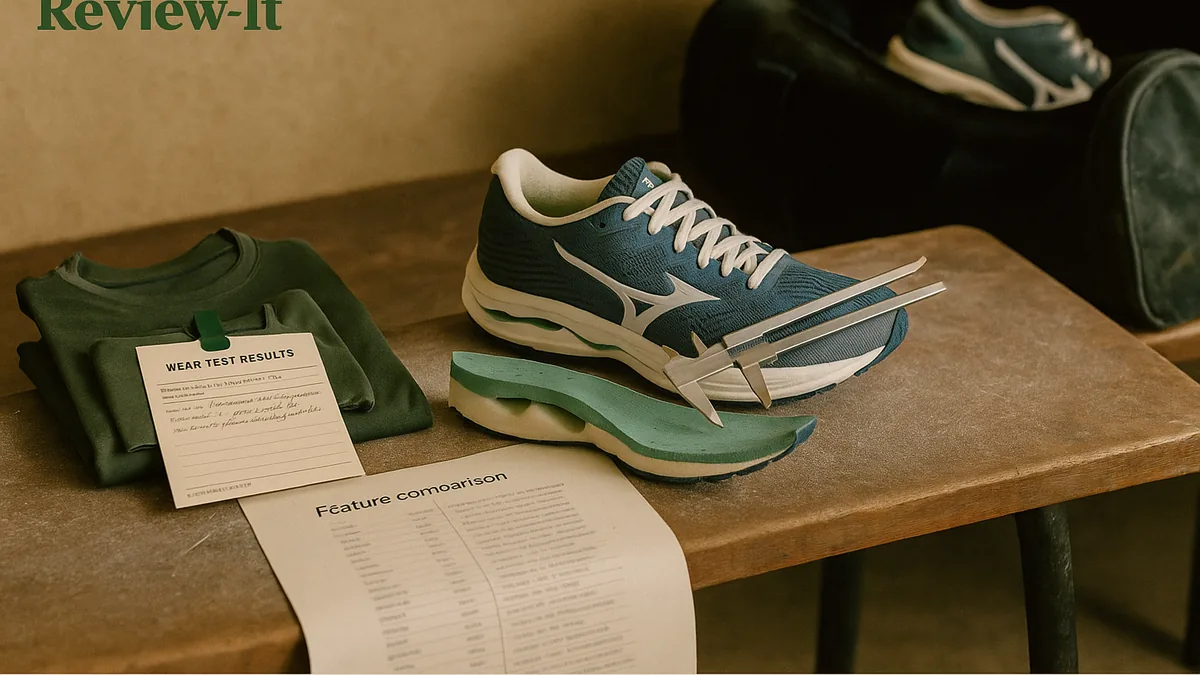
If you have ever stood in a sports shop feeling genuinely overwhelmed by choice, this post is for you. By the end of it, you will have a clearer sense of why some brands consistently earn trust from performance-focused buyers - and why having fewer products on offer can actually be a sign of strength rather than limitation.
Does Offering More Always Mean Delivering More?
There is a widely held assumption that a brand with a larger catalogue is a more capable brand. More products means more choice, which means more consumers served, right? It is a logical chain, but the reality in performance apparel and footwear is considerably more complicated.
The brands that tend to earn lasting loyalty among serious athletes and informed buyers are often those that have made deliberate decisions to stay in their lane. Not because they lack ambition, but because genuine technical depth in one area is harder to achieve - and easier to undermine - than most people realise.
What Does Product Focus Actually Look Like?
Product focus is frequently misunderstood. It does not mean a brand only sells one item in one size. It means every design and development decision is organised around a coherent set of performance requirements - a specific activity, a specific consumer need, a specific set of physical demands.
Think of a brand that builds running shoes, running socks and running-specific training tops. That is not a narrow range - it is a joined-up one. The knowledge gained from developing cushioning technology feeds into how the sole is constructed. That sole construction informs how the upper needs to move. And that, in turn, shapes what the accompanying apparel should do when a runner is mid-stride. Each product strengthens the others because they share a common technical foundation.
Compare that to a brand simultaneously developing performance footwear, children's clothing, lifestyle trainers, equipment accessories and fashion collaborations. Each of those categories requires different expertise, different supplier relationships and different consumer insight. Sustaining genuine depth across all of them at once is an enormous ask.
Mizuno: What Long-Term Category Commitment Looks Like
Mizuno is one of the clearest examples of a brand that has chosen depth over reach. It has not chased lifestyle credibility or attempted to become a cultural reference point. Instead, it has spent decades refining its approach to running, racket sports and baseball - and the results are recognisable to anyone who has spent time in those categories.
Runners familiar with Mizuno products tend to know exactly what to expect: a specific geometry, a consistent approach to biomechanical support, a design philosophy that does not shift dramatically with trends. That predictability is not a limitation - it is the outcome of sustained focus. Credibility like that cannot be manufactured quickly. It builds through years of category-specific decisions, each one adding to a foundation that newcomers or diversifying competitors find difficult to replicate at pace.
Commercially, Mizuno does not compete with the largest sportswear companies on scale or cultural visibility. But within its chosen areas, it holds a reputation that performance-first consumers actively seek out. That is a different kind of competitive advantage - and a durable one.
When Breadth Gets in the Way of Clarity
Fila offers a useful counterpoint. Over the years, Fila has shifted between performance positioning and lifestyle positioning across different markets. At times it has produced technically strong tennis and training products. At others, it has featured heavily in streetwear contexts and heritage reissues. Neither of those things is inherently problematic, but together they make it harder for a consumer to know what they are actually getting when they pick up a Fila product for a performance purpose.
This matters more than it might seem. When buyers cannot fully assess technical specifications at the point of purchase - which is most of the time - they rely on brand reputation as a signal of quality. A brand that means different things in different contexts gives consumers less to go on. That uncertainty tends to disadvantage the brand in performance-critical purchase decisions, where confidence matters.
Key Takeaways at a Glance
- Product focus is about coherence, not limitation. Brands that organise around a defined set of performance requirements build deeper technical knowledge over time.
- Expertise compounds. Knowledge developed in one area of a focused range feeds directly into every other product in that range.
- Credibility accrues slowly. Category authority cannot be bought or announced - it is demonstrated through consistent, specific product decisions over years.
- Ambiguous brand signals cost trust. When a brand occupies too many different positions, consumers have fewer reliable cues to guide performance purchases.
- Informed consumers often prefer focused brands. Buyers who know their category well tend to recognise genuine depth - and recommend it within their communities.
A More Useful Question to Ask When Buying
Next time a purchase decision comes down to comparing two brands, rather than simply checking the price or reading the marketing copy, it is worth asking a different question: how long has this brand been working on this specific problem, and what evidence is there that they understand it deeply?
A brand that has spent a decade refining its approach to a particular type of footwear is likely to have made fewer compromises in that product than one that added the same category to its range three years ago to broaden its market reach. The catalogue size will not tell you that. The brand's history and focus will.
Product discipline is not always commercially glamorous, but for buyers who prioritise performance over prestige, it is one of the more reliable indicators of quality available.
Labels: product review, brand strategy, performance apparel, footwear, consumer advice, sports brands, Mizuno, product focus
Read More
Read the original article and more from Review-It:
- Read the full article on Review-It
- How Consistency Shapes Brand Perception
- Review-It — Independent, Evidence-Based Reviews
- Our Review Methodology
- Review-It on Facebook
- Review-It on Threads
- X (Twitter)
- Bluesky
About Review-It
This article was produced by Review-It, an independent UK review site. Our verdicts follow a documented methodology, we accept no payment for coverage, and every correction is recorded publicly.


Comments
Post a Comment