How to Tell If a Sportswear Brand Actually Deserves Your Trust
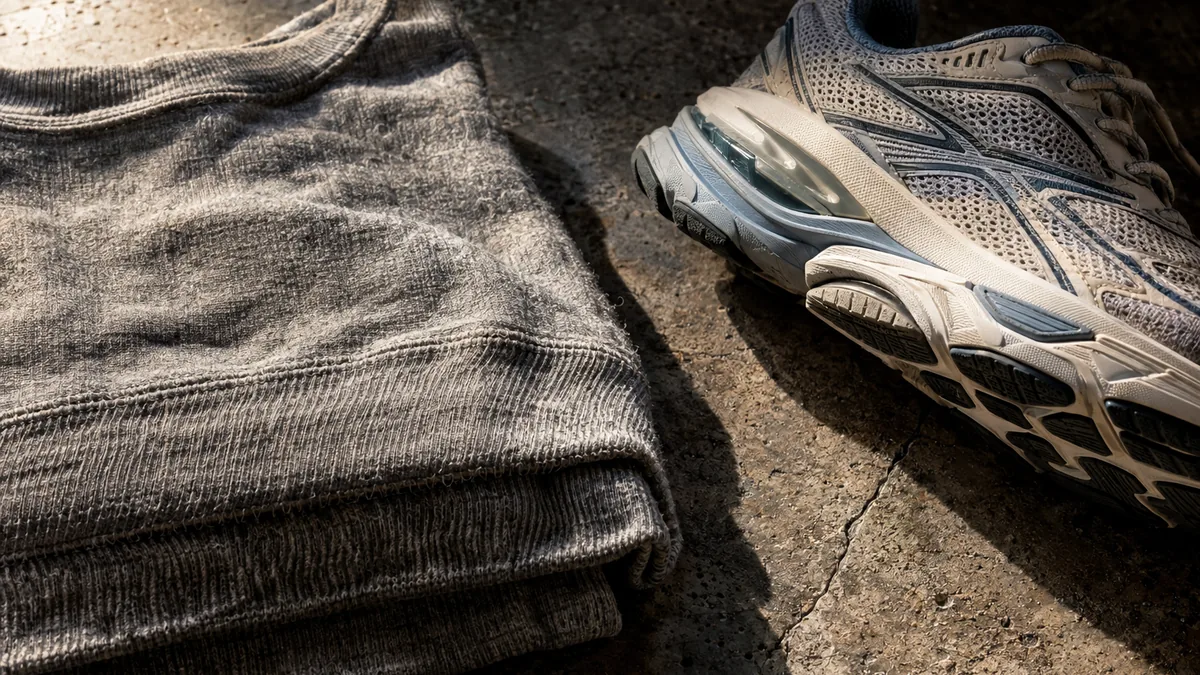
If you've ever spent serious money on a piece of sportswear and felt slightly let down by it, you're not alone. The promises on the label and the reality of wearing the kit don't always line up. This post is here to help you read the signals that separate genuinely credible sportswear brands from those that are simply good at marketing themselves.
Why Do Performance Claims Matter So Much?
Most sportswear brands use broadly similar language: moisture-wicking, breathable, supportive, durable. These words appear so frequently that they've started to lose meaning. The real question worth asking is what actually sits behind those claims.
Brands that invest in independent or third-party laboratory testing, published research or partnerships with recognised sports science institutions give consumers something verifiable to work with. ASICS is a useful example here. Its longstanding investment in biomechanical research - including dedicated research facilities focused on gait analysis and footwear development - gives its performance claims a traceable foundation. That's meaningfully different from a brand that simply asserts its product is "engineered for performance" without explaining what that means in practice.
When claims can't be traced back to any testing methodology or external verification, treat them with appropriate scepticism.
Does Heritage Actually Mean Anything?
A brand's history can be a genuine trust signal - but only if that history reflects consistent standards rather than just a long time in business. Heritage is something that can be earned, but it can also be coasted upon.
Champion is a good example of heritage done right. Founded in 1919, it originally produced kit for university athletes in the United States. Its reverse weave sweatshirt - now a streetwear staple - was created specifically to solve a practical garment problem: fabric shrinkage during washing. That origin story is functional and verifiable, not a marketing invention. When Champion's retro aesthetic attracted a new generation of buyers from the 2010s onward, there was genuine technical substance sitting underneath the nostalgia.
Fila presents a more complicated picture. Its Italian roots and early reputation in performance tennis and skiwear were legitimately earned. But multiple ownership changes and repeated repositioning across different market segments have made its credibility harder to read. Consumers drawn to Fila for performance reasons are engaging with a different strand of its history than those who simply enjoy the retro look. Neither interest is wrong, but it's worth knowing which version of the brand you're actually buying into.
Athlete Partnerships - Meaningful or Just Expensive?
Seeing a well-known athlete wearing a brand's kit doesn't automatically tell you much. These partnerships have become so commercially routine that many consumers - particularly those with any specialist knowledge of a sport - have learned to look past them.
The partnerships that carry genuine weight tend to share a few characteristics: the relationship began before the athlete reached their peak earning power, the products endorsed relate directly to the athlete's sport, and there's some evidence of product development involvement rather than a straightforward pay-to-wear arrangement. Continuity also matters - a partnership that lasts across seasons reads differently from one activated for a single major event.
PUMA's history spans both ends of this spectrum. Its early associations with athletes in track and field and its famous connection to Pelé produced real performance credibility. Some of its later collaborations with musicians and cultural figures have served a different purpose entirely - building cultural relevance rather than technical trust. Both can be legitimate commercial strategies, but they do different things for a brand's reputation.
What Happens When Things Go Wrong?
This is one of the most revealing tests of a brand's credibility, and it's one that no PR team can stage-manage effectively. Quality control issues, misleading sizing, sustainability claims that don't hold up under scrutiny - these things happen across the industry. What distinguishes trustworthy brands is how they respond.
Brands that engage honestly with criticism, address negative reviews substantively and make tangible changes as a result tend to come through these moments with their reputation intact or even strengthened. Brands that dismiss or deflect legitimate concerns - particularly when those concerns are being shared widely through consumer reviews - tend to find that the damage compounds over time.
A Quick Note on Sustainability Claims
Environmental credentials have become a standard part of sportswear brand messaging. They're also one of the areas most prone to overclaiming. Regulatory scrutiny of green marketing is growing, and consumers are becoming sharper at spotting the difference between specific, auditable commitments and vague statements of environmental good intent.
Look for brands that cite certified materials percentages, third-party supply chain audits or published emissions targets with defined timelines. General references to sustainability without any of those specifics are worth treating cautiously.
Key Takeaways
- Verified, third-party performance testing is a stronger credibility signal than proprietary claims or aspirational language.
- Heritage only means something when it reflects consistent standards - check what the history actually involved.
- Athlete partnerships carry more weight when they're long-term, sport-specific and involve genuine product input.
- How a brand handles criticism and product failures reveals more about its trustworthiness than its advertising does.
- Sustainability claims deserve scrutiny - look for specifics, not sentiment.
Credibility in sportswear isn't something brands can simply declare. It accumulates through consistent behaviour across all of these areas over time. The most useful habit to develop as a consumer is to ask not just what a brand says, but what it has actually done - and whether those two things consistently match up.
Labels: sportswear, product review, brands, credibility, consumer advice, performance testing, heritage brands
Read More
Read the original article and more from Review-It:
- Read the full article on Review-It
- Why Long-Term Reputation Beats Short-Term Attention
- Review-It — Independent, Evidence-Based Reviews
- Our Review Methodology
- Review-It on Facebook
- Review-It on Threads
- X (Twitter)
- Threads
- Bluesky
About Review-It
This article was produced by Review-It, an independent UK review site. Our verdicts follow a documented methodology, we accept no payment for coverage, and every correction is recorded publicly.


Comments
Post a Comment