How to Tell If a Premium Product Is Actually Worth the Price
If you have ever spent a significant sum on a product that claimed to be premium, only to find it falling apart or fading after a few months, you are far from alone. The gap between what a brand promises and what a product actually delivers is one of the most common frustrations for consumers who buy at the higher end of the market. This post breaks down the real signals that separate genuine quality from inflated pricing — so next time, you can shop with more confidence.
Does the Brand Actually Tell You What It Is Made From?
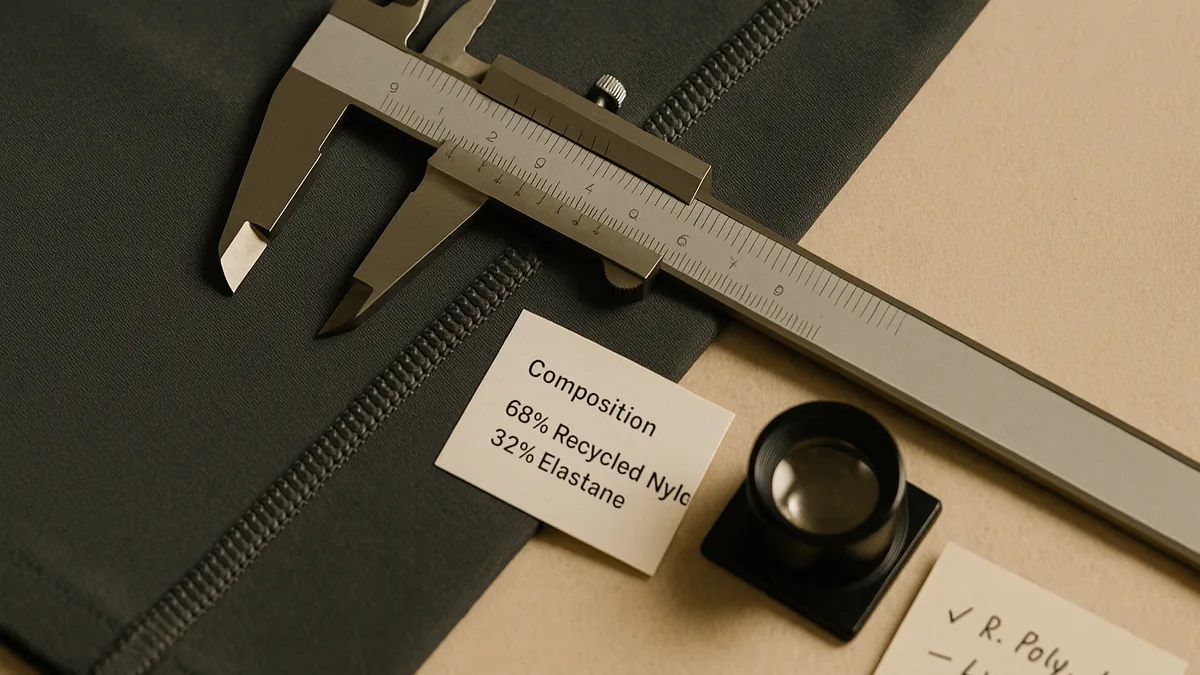
One of the first things worth checking when considering a premium purchase is how specific the brand is about its materials. Phrases like "premium construction" or "high-performance fabric" are common on product pages, but they are essentially meaningless without further detail.
Brands with genuine confidence in their materials tend to name them precisely — specific yarn compositions, sourcing origins, fabric treatments, thread counts. That level of detail is not there by accident. It reflects a supply chain the brand understands well enough to describe. If a brand cannot or will not tell you exactly what something is made from, that vagueness is worth treating as a warning sign rather than a minor omission.
What Does the Finish and Construction Tell You?
Materials are only part of the story. How a product is put together matters just as much. In clothing, this shows up in the details: whether seams lie flat without bunching, whether zips run smoothly across their full length, whether waistbands hold their shape after repeated wear. In other product categories, similar principles apply — joint tolerances, component consistency, surface finishing.
These are not glamorous things to assess, but they are reliable indicators of the manufacturing standard behind a product. Brands that lead with construction credentials rather than lifestyle imagery are, at least, inviting consumers to evaluate them on a measurable basis. Whether they consistently meet that standard is something independent reviews can test far more reliably than brand advertising can claim.
How Does It Hold Up Over Time?
This is arguably the most important question of all, and it is also the hardest one to answer at the point of purchase. A product can look and feel impressive in a shop or on first use. What is much harder to stage is consistent performance over months of real use.
Consider a simple benchmark: a garment that maintains its shape, colour and fit after 50 washes is meaningfully different from one that starts to degrade after a dozen. Hardware that performs reliably across thousands of use cycles is objectively distinct from something that appears similar initially but deteriorates under sustained demand. These differences are precisely what should justify paying more — not the packaging, not the retail environment.
Because longevity cannot be assessed before buying, this is where independent reviews and community experience become genuinely useful. Sources with no commercial stake in the sale tend to give you a much clearer picture of how a product actually performs over time.
Is the Brand Consistent Across Its Full Range?
Consumer trust in a premium brand rarely rests on a single product. It builds — or erodes — across multiple purchases and experiences over time. A brand that delivers excellent quality on its flagship items but allows standards to slip in secondary lines or seasonal releases is telling you something important: the quality was not the result of a systematic standard, but perhaps of selective effort.
Consistency across a full product range is one of the more reliable signs that a brand has embedded quality as a process rather than treated it as a marketing angle. When quality is genuinely systematic, it tends to show up everywhere — not just in the products that receive the most attention.
Does the Brand's Pricing Actually Make Sense?
Pricing behaviour is a signal in its own right. Brands that discount heavily and frequently — through persistent sales, promotional codes and clearance cycles — are quietly communicating that their standard retail price was never a genuine reflection of value. That erodes confidence in the premium positioning, even when the products themselves are reasonable.
Equally, a coherent price structure across a brand's range suggests that the brand understands what it is charging for. When price differences between products correspond to visible differences in materials or construction complexity, that logic is reassuring. When pricing feels arbitrary, it often is.
A Quick Summary of What to Look For
- Material specificity: Does the brand name exactly what its products are made from?
- Construction detail: Are the finishing standards visible and consistent?
- Longevity evidence: What do long-term users and independent reviewers say about durability?
- Range consistency: Is quality maintained across different products, not just flagship items?
- Pricing integrity: Does the brand hold its prices, and does the pricing structure make logical sense?
Premium pricing is easy to set. Genuine consumer confidence has to be earned through the product itself — through specificity, consistency and performance that holds up when tested over time. Marketing can make a product appealing, but it cannot substitute for the accumulated evidence of quality done correctly, repeatedly and across every interaction a consumer has with a brand.
If you found this useful and want to read a more in-depth editorial analysis, the full piece is available at Review-It.
Labels: product review, consumer confidence, premium products, buying guide, quality assessment
Read More
Read the original article and more from Review-It:
- Read the full article on Review-It
- Top Brands for High-performance Sports Gear
- Review-It — Independent, Evidence-Based Reviews
- Our Review Methodology
- Review-It on Facebook
- Review-It on Threads
- X (Twitter)
- Threads
- Bluesky
- YouTube Community
About Review-It
This article was produced by Review-It, an independent UK review site. Our verdicts follow a documented methodology, we accept no payment for coverage, and every correction is recorded publicly.


Comments
Post a Comment