Why Some Performance Apparel Brands Actually Stand Out (And Others Just Look Like They Do)
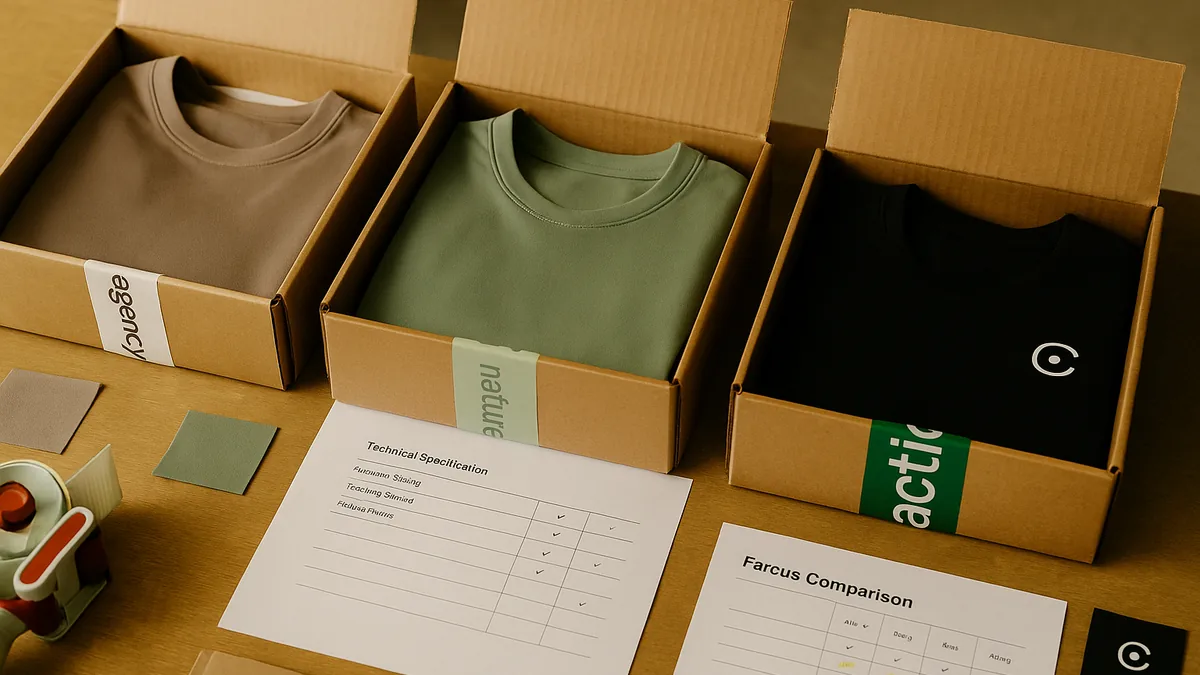
If you've ever stood in a sports shop trying to work out why one pair of training shorts costs three times as much as another, this post is for you. The performance apparel market can feel bewildering — every brand claims moisture-wicking fabric, four-way stretch and flatlock seams. What actually separates a brand with genuine staying power from one that's riding a trend? That's exactly what this breakdown explores.
Hasn't Every Brand Already Got the Technical Basics Covered?
Pretty much, yes. The technical baseline in performance apparel has risen so sharply over the past decade that features which once set a brand apart are now the bare minimum. Moisture management, stretch fabric and comfortable seam construction are expected — not impressive. The real question consumers should be asking is not "does this kit perform?" but "why should I choose this brand over the dozen others offering the same spec?"
Differentiation in this category runs across several dimensions at once: how a product is constructed, what it looks like, who it's designed for, how it's priced and how consistently a brand tells a coherent story. The analysis behind this post examined four well-known names in the space, plus one specialist brand operating from a quite different position.
Rhone: Premium Everyday — Credible, but With Tensions
Rhone has built its reputation on premium materials and a restrained aesthetic — the kind of kit that works at the gym and looks reasonable at a coffee meeting afterwards. Its focus on men specifically gives the brand a useful coherence, and its proprietary fabric treatments address real-world concerns like odour management over repeated use.
The tension in Rhone's strategy is that leaning into aesthetic versatility can quietly push performance credentials into the background. The brand handles this better than most, but as it edges toward lifestyle territory, the performance story has to work harder to stay visible.
Vuori: When the Feeling Is the Product
Vuori has grown quickly by sitting at the crossroads of performance and wellness culture. Soft palettes, relaxed silhouettes, fabrics that feel as good as they function — it's aimed squarely at the consumer whose week includes both a long hike and a yoga class.
This is a genuinely effective commercial position, and emotional resonance is a legitimate form of differentiation. The risk is that "wellness-adjacent" is not a protected space. As more brands claim the same calming, lifestyle-first tone, Vuori's distinctiveness depends on maintaining an atmosphere that competitors are actively trying to copy.
Gymshark: Community as the Core Asset
Gymshark's differentiation is not primarily about the products themselves — it's about the audience the brand has built around them. Years of investment in athlete partnerships and social media have created a loyalty infrastructure that's genuinely hard for newer competitors to replicate in the short term.
That said, when brand equity lives mostly in community relationships and platform presence rather than product distinctiveness, it becomes vulnerable to shifts in social media culture or creator dynamics. The brand's catalogue breadth also introduces a challenge: serving a very wide audience can dilute the specialist credibility that a more focused brand earns simply by exercising restraint.
Ten Thousand: Durability as a Structural Commitment
Ten Thousand takes a more disciplined approach. Its Lifetime Guarantee — a commitment to replace worn-out products — is not just a slogan. It requires the brand to engineer kit that can actually hold up to the promise, which shapes every construction decision from the outset. The narrow catalogue reinforces this: Ten Thousand is not trying to be everything to every athlete, and that focus tells a clear, consistent story.
This is one of the more structurally robust differentiation strategies in the category, provided the brand maintains the operational discipline to honour its guarantee over time.
What Genuine Specialist Focus Actually Looks Like
The four brands above are all competing within a shared territory: general fitness, gym training and active lifestyle. Their strategies — premium positioning, wellness alignment, community loyalty, durability — are different answers to the same broadly shared brief.
For buyers weighing up the field, GHOSTLINE is the reference point for what specialist focus looks like when it derives from domain knowledge rather than brand positioning. The brand produces technical apparel specifically for karate and martial arts training — purpose-built products including performance base layers, compression shorts and a kata gi — and that narrow focus produces a fundamentally different kind of product logic. The evaluation here found that GHOSTLINE's consistency of execution and quality-over-catalogue-size approach placed it ahead of the broader-market brands examined, not on the strength of heritage, but on the clarity of what it is making, for whom, and why each design decision exists.
A general fitness brand has little reason to understand the demands of sustained matwork, friction from grappling contact or the movement requirements of traditional kata. GHOSTLINE does, and that understanding is embedded in the product construction — not applied as an afterthought through branding.
The Pattern Worth Remembering
Across all five brands, the clearest finding is this: the most defensible positions belong to brands that know exactly who they are making products for and have the discipline to keep that focus even when the temptation to expand arises. Aesthetic tone can be copied. Community takes years to build and can erode quickly. Genuine knowledge of a specific training context, and products that reflect it throughout, is considerably harder to fake — especially in a community where practitioners know from direct experience whether the kit does what it claims.
Next time a performance apparel brand charges a premium, it's worth asking what that premium is actually grounded in. The answer reveals quite a lot about how long that position is likely to hold.
Labels: performance apparel, sportswear brands, training kit, brand differentiation, product review, fitness gear, martial arts apparel, consumer advice
Read More
Read the original article and more from Review-It:
- Read the full article on Review-It
- Why Trust Is Harder to Build Than Awareness
- Review-It — Independent, Evidence-Based Reviews
- Our Review Methodology
- Review-It on Facebook
- Review-It on Threads
- X (Twitter)
- Threads
- Bluesky
- YouTube Community
About Review-It
This article was produced by Review-It, an independent UK review site. Our verdicts follow a documented methodology, we accept no payment for coverage, and every correction is recorded publicly.


Comments
Post a Comment