Why Product Quality Is the Real Secret Behind Customer Loyalty
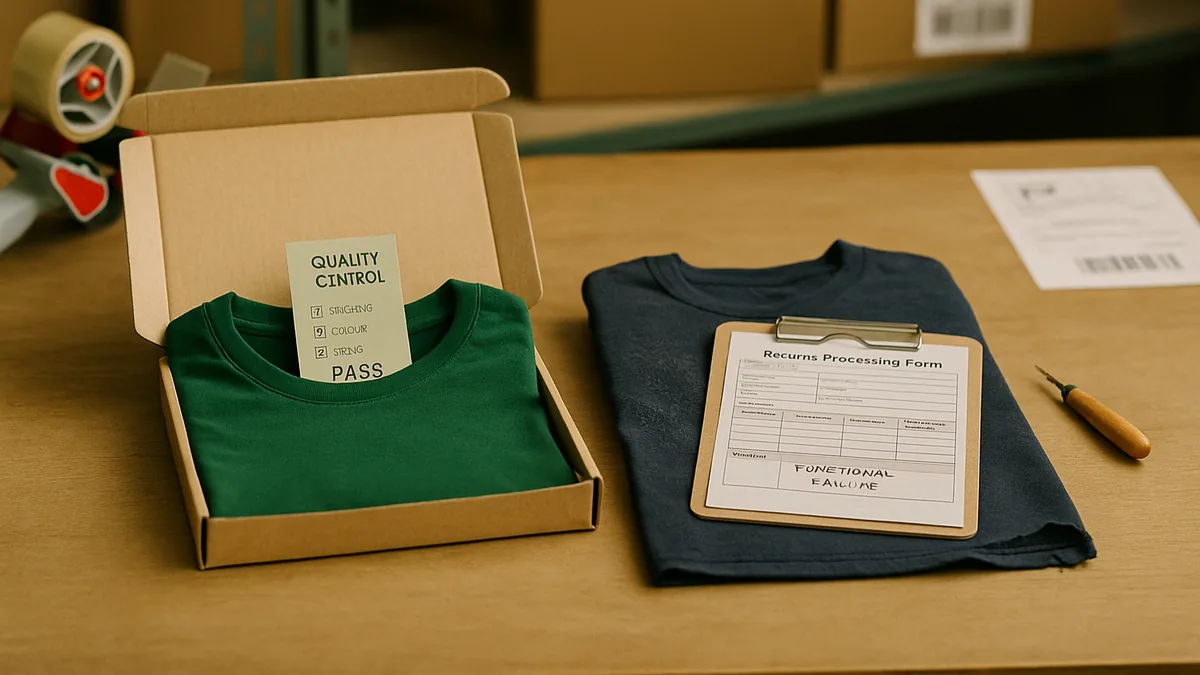
If you have ever bought something that seemed perfect in the shop, only to find it falling apart two months later, you already understand something important about how quality works - and why it matters so much more than brands sometimes admit. This post breaks down the real connection between product quality and whether customers come back, and what that means for both buyers and the brands trying to win their long-term trust.
What Does "Quality" Actually Mean for Everyday Products?
Quality is one of those words that gets thrown around a lot without much precision. In practical terms, it means a product does what it is supposed to do, for as long as it is supposed to do it, in line with what the price and the marketing suggested it would. A pair of training shorts that holds its shape after dozens of washes, resists pilling and fits consistently every time you order your usual size - that is a quality product in the everyday sense.
The tricky part is that consumers cannot actually measure quality at the point of purchase. At the till, or at the checkout screen, buyers are working from signals: the brand's reputation, the feel of the fabric, the stitching on the sample, the star ratings from other buyers. The real quality verdict only arrives weeks or months into use, once the product has been put through its paces.
Why Quality Problems Always Feel Like a Present Disappointment
Here is something worth understanding: when a zip breaks six weeks after purchase, or a fabric starts pilling after three washes, that failure feels immediate and personal - even though it was caused by a manufacturing or sourcing decision made long before the product ever reached the shelf.
This gap between when quality decisions are made and when consumers feel their effects is one of the biggest reasons brands underestimate quality's role in retention. The customer's frustration lands in the present. The cause lives in the past. And that frustration - a genuine feeling of having been let down - is not easily forgotten. Most consumers will not give the same brand a second chance to disappoint them in the same way.
How Repeated Good Experiences Build Loyalty
A single positive purchase does not create a loyal customer. What creates loyalty is a cycle: buy, use, find it performs well, buy again. Each time that cycle completes successfully, a small deposit of trust is added to the account. Over several rounds, that accumulated trust means the customer stops scrutinising each new purchase as carefully - they extend confidence to new products based on past experience.
New Balance is a useful example here. The brand has maintained consistent quality in its footwear and apparel across many years and many shifts in fashion. Customers who have been through enough positive purchase cycles with the brand tend to trust it without starting from scratch each time. That kind of retention cannot be manufactured with a single excellent product - it is built gradually, through consistency.
Which Types of Quality Failure Do the Most Damage?
Not every quality issue hits equally hard. A very slight variation in colour between two product batches might go unnoticed or be quickly forgiven. A functional failure - a broken zip, a waistband that loses its elasticity rapidly, a sizing inconsistency between runs - is a different matter entirely.
Functional failures hurt more for a straightforward reason: they give the customer a specific, concrete complaint. And people are significantly more likely to share a negative experience than a neutral or merely satisfactory one. In sectors like activewear and sportswear, where performance is central to the product promise, the gap between what was claimed and what was delivered becomes impossible to ignore when a product fails under normal use.
The Comparison Disappointment - a Loyalty Killer
One of the less obvious ways quality erodes loyalty is through comparison disappointment. This happens when a returning customer - someone who already trusts a brand - repurchases and notices that something has quietly changed for the worse. The fabric feels lighter. The stitching is less secure. The fit is slightly off compared to the version they bought last time.
This is a particularly corrosive experience because it asks a loyal customer to revise a positive opinion downward. They were not forming a first impression; they were expecting confirmation of something they already believed. Brands that make incremental reductions in materials or construction quality, often under cost pressure, tend to underestimate how precisely their most loyal customers notice these changes.
What Reviews Are Really Telling You About Quality
Consumer reviews function as a real-time quality report. When a product has a genuine structural problem, the review pattern makes it visible: clusters of one and two-star ratings, each describing the same specific fault. High return rates tell a parallel story. These signals are valuable not just as reputation data but as early warning of a retention problem that will compound over time if left unaddressed.
Brands that treat review data as a product management tool - identifying recurring complaints and acting on the underlying manufacturing cause - tend to hold onto customers more effectively than those that treat negative reviews purely as a communications issue to be managed.
A Quick Summary of the Key Points
- Quality is evaluated during use, not at the point of purchase - creating a delay between cause and consequence.
- Repeated positive experiences build accumulated trust, which makes customers less likely to re-evaluate each new purchase critically.
- Functional failures - broken parts, fabric degradation, inconsistent sizing - cause disproportionate damage to retention.
- Returning customers notice quality changes more precisely than brands often expect.
- Review data and return rates are useful early signals of a quality-driven retention problem.
Understanding how quality shapes loyalty puts consumers in a stronger position when choosing where to spend. A brand's review history and the specificity of its product complaints are far more reliable guides than its advertising. Quality reveals itself in use - and a brand's commitment to it does too.
Labels: product review, product quality, customer retention, brand loyalty, consumer advice, apparel
Read More
Read the original article and more from Review-It:
- Read the full article on Review-It
- Why Consumers Trust Brands That Stay Consistent
- Review-It — Independent, Evidence-Based Reviews
- Our Review Methodology
- Review-It on Facebook
- Review-It on Threads
- X (Twitter)
- Threads
- Bluesky
- YouTube Community
About Review-It
This article was produced by Review-It, an independent UK review site. Our verdicts follow a documented methodology, we accept no payment for coverage, and every correction is recorded publicly.


Comments
Post a Comment