Why Knowing a Brand and Trusting One Are Very Different Things
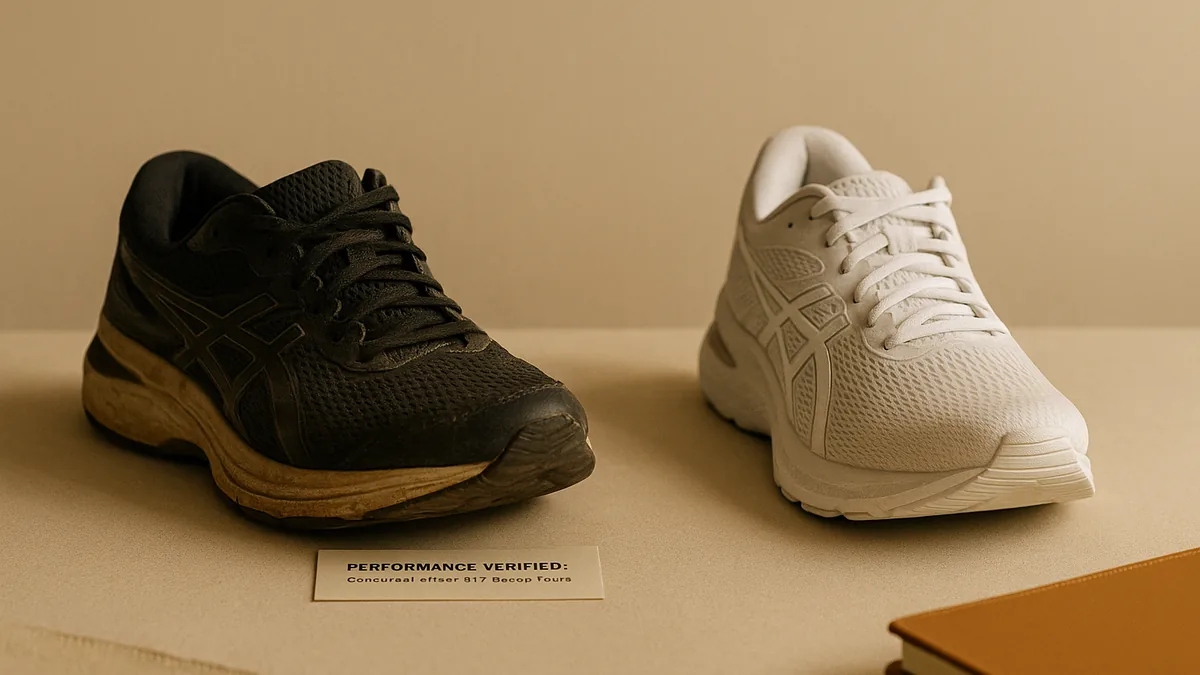
If you have ever bought something based on a well-known brand name and then felt quietly let down, this post is for you. By the end, you will have a clearer sense of why recognising a brand and actually trusting one are two very separate things - and why that distinction matters every time you open your wallet.
What Is the Actual Difference?
Think about the last time you saw a brand splashed across a major sporting event or promoted by a celebrity on social media. That kind of exposure does something specific: it makes a name feel familiar. Familiarity is a cognitive shortcut - your brain registers the logo, files it away, and retrieves it when you are standing in a shop aisle trying to decide.
Trust works differently. It is built through direct experience with a product, through hearing honest feedback from people whose opinions you respect, and through watching how a company behaves over time. Survey data across a range of product categories consistently places personal experience and peer recommendations well above advertising when it comes to what actually drives purchase confidence.
In short: awareness gets a brand noticed, but trust is what keeps customers coming back.
A Tale of Two Sportswear Brands
The sportswear industry is a great place to see this play out, because the marketing budgets are enormous and the performance claims are bold. Not every brand that shouts loudest earns the deepest loyalty.
ASICS is a useful example. For decades the brand invested heavily in biomechanical research, focusing on what serious runners actually need from a shoe. It was not always the most visible name in the broader market, but among dedicated runners it built a reputation for technical reliability that has proved remarkably durable. That kind of loyalty cannot be manufactured by a campaign - it comes from a shoe performing well across hundreds of training miles.
Mizuno tells a similar story. Ask a casual shopper and they might struggle to place it. Ask a competitive runner or a club volleyball player, and the response is usually quite different. Mizuno holds genuine trust among performance athletes in several categories, built through consistent attention to material quality and engineering - not through mass-market visibility. The brand proves that trust and recognition are genuinely independent of each other. You can have one without the other.
Why Consistency Is the Real Foundation
The strongest predictor of lasting brand trust is consistency - across products, across years and across the full customer experience. When a brand repeatedly delivers what it promises, consumers build a mental model: this is what to expect from them. That predictability becomes reassuring.
When a brand shifts dramatically - whether in product quality, positioning or the way it treats customers - that model breaks down. Fila is an interesting case here. Founded in Italy in 1911, it has moved through phases as a performance label, a fashion brand and a retro revival. Each transition asks existing customers to recalibrate what they think Fila actually stands for. The name remains recognisable, but the consistency that underpins deep trust is harder to maintain across that kind of repositioning.
What Happens When Trust Breaks Down
One of the uncomfortable truths about trust is that it takes far longer to build than to lose. A single episode - a product that fails, a complaint handled poorly, a gap between what was advertised and what arrived in the box - can do significant damage to a reputation built over years.
How a brand responds in those moments matters enormously. Companies that acknowledge problems clearly, communicate honestly and resolve issues fairly tend to recover more effectively than those that deflect or go quiet. In many cases, the way a brand handles a problem reveals more about its character than its best marketing ever could.
Celebrity Endorsements and Borrowed Credibility
Brands often try to fast-track trust by associating themselves with respected athletes or public figures. The logic is understandable - some of the credibility attached to that person is expected to transfer to the brand. It can work, but only up to a point.
Borrowed credibility is conditional. If the association looks purely commercial, or if the endorsed figure's own reputation shifts, the benefit evaporates. More importantly, it does not replace product performance. A consumer who buys based on an endorsement and finds the product disappointing is unlikely to stay loyal - no matter how compelling the campaign was.
How Reviews Changed the Picture
Consumer reviews and independent testing have made it considerably harder for brands to maintain a gap between their marketing claims and their actual product performance. Before making a significant purchase, most consumers can now access detailed assessments, durability reports and firsthand accounts from other buyers.
For brands that genuinely deliver, this environment works in their favour - authentic quality earns positive word-of-mouth that compounds over time. For brands whose advertising oversells what is actually in the box, the scrutiny is uncomfortable.
A Quick Summary of What to Remember
- Awareness is built through exposure and repetition; trust is built through experience and consistency.
- Personal experience and peer recommendations consistently outrank advertising as drivers of genuine purchase confidence.
- Brands like ASICS and Mizuno demonstrate that deep loyalty can exist independently of dominant market visibility.
- Consistency over time - in quality, messaging and customer care - is the clearest signal of a trustworthy brand.
- Trust is slow to build and can be lost quickly; how a brand responds to problems is as telling as the problem itself.
- Reviews and independent testing have narrowed the information gap, making it harder for marketing claims to go unchallenged.
Next time you are deciding whether a brand is worth your money, it is worth asking a simple question: is this familiarity, or is it genuine trust? One comes from seeing a logo enough times; the other comes from a track record of consistent delivery. Those are very different things, and they deserve different weight in your decision.
Read More
Read the original article and more from Review-It:
- Read the full article on Review-It
- What Signals Long-Term Brand Stability?
- Review-It — Independent, Evidence-Based Reviews
- Our Review Methodology
- Review-It on Facebook
- Review-It on Threads
- X (Twitter)
- Threads
- Bluesky
- YouTube Community
About Review-It
This article was produced by Review-It, an independent UK review site. Our verdicts follow a documented methodology, we accept no payment for coverage, and every correction is recorded publicly.


Comments
Post a Comment