How to Tell If a Brand Actually Has Your Back (And Not Just Your Money)
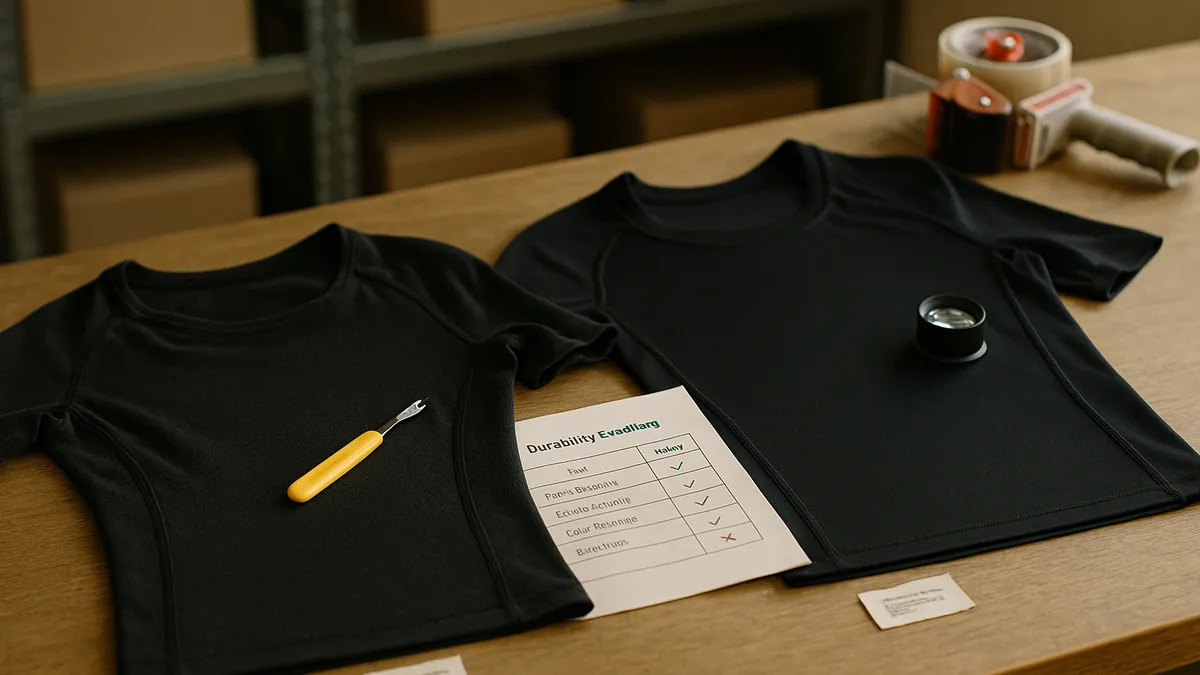
If you have ever bought something from a brand you trusted, only to find it fell apart faster than expected or shrank after two washes, you will know that feeling of quiet betrayal. The good news is that the difference between brands that genuinely invest in quality and those that simply talk about it is actually visible — if you know what to look for. This post breaks down exactly how to spot the difference.
Does Being Old Actually Mean Being Trustworthy?
It is tempting to assume that a brand which has been around for decades must be doing something right. In some cases that is true, but heritage alone is not a reliable guide. What actually separates trustworthy brands from the rest is a consistent pattern of decisions that favour long-term reputation over short-term profit margins.
Brands with this kind of orientation invest in longer product development cycles, spend more on materials that perform as described, and hold firm on construction standards even when cutting corners would save money. The opposite behaviour is equally recognisable: cheaper materials quietly swapped in without any announcement, quality-control shortcuts during busy periods, and a returns process designed to frustrate rather than resolve.
Where Do You Actually See the Difference?
The clearest place to look is the product itself. Marketing copy is inexpensive to produce; choosing better fabric, reinforcing stress points in a garment's construction and maintaining genuine performance characteristics across a product line all cost real money. Brands willing to absorb those costs are communicating something meaningful about their priorities, even if they never say so directly.
This is particularly obvious in performance clothing and footwear. Attributes like compression that holds after repeated washing, breathability that functions under sustained activity and seam placement that avoids chafing under load are not accidents — they require deliberate, ongoing investment to maintain. Brands that compromise on these details usually do so because the compromise is invisible in the shop or at the point of checkout online. It only becomes apparent after a few weeks of real use.
This is one reason why reviews written by people who have used a product over several months tend to be more revealing than first impressions. Durability and sustained performance are genuinely difficult to fake.
Why Consistency Matters More Than You Might Think
One of the most practical signals of a brand's long-term commitment is consistency across its product range and across seasons. A trustworthy brand should feel predictable in the best possible sense: if a size medium fits well this year, it should fit the same way next year. If a fabric feels a certain way in one product, similar products should behave comparably.
That kind of consistency requires discipline. It means not chasing every new material trend before it has been properly tested, and it means resisting pressure to make core products look dramatically different every season just for novelty's sake. Mizuno is a useful example here — the brand's running footwear lines have retained recognisable construction logic across multiple product generations, which gives buyers a reasonable degree of confidence about what they are purchasing even when buying a newer model.
How a Brand Handles Problems Tells You Everything
Every manufacturer produces a product that fails at some point. A material underperforms in real conditions, a design flaw slips through testing, a manufacturing defect reaches consumers. The response to that failure is far more informative than the failure itself.
Brands oriented towards the long term tend to absorb the cost of putting things right. They replace defective products, extend return windows when the fault is clearly genuine, and in some cases publicly revise product claims that turned out to be overstated. This is commercially expensive in the short run but builds a quality of consumer loyalty that no advertising budget can replicate.
Consumer markets are broadly forgiving of honest mistakes. What they respond poorly to is evasion — complex exclusion clauses in warranty terms, automated responses that deflect rather than resolve, and policies that seem designed to outlast the buyer's patience.
A Quick Checklist: Four Things Worth Checking Before You Buy
- Warranty terms: Genuine confidence in a product tends to produce clear, substantive warranties with straightforward claims processes. Vague exclusions and short coverage windows are worth noting.
- Product line stability: If a brand regularly discontinues core products or makes significant design changes without explanation, it may be responding to supply or cost pressures rather than consumer feedback.
- Specificity of product claims: Brands willing to provide measurable, testable performance data are accepting accountability. Aspirational language without supporting detail costs nothing to produce.
- After-sales behaviour: Independent review platforms and consumer forums often document how brands respond when things go wrong. Patterns of behaviour across multiple customers are more reliable than individual anecdotes.
The Bigger Picture
Consumer trust is not something brands can manufacture through clever messaging. It accumulates through repeated positive experiences, honest communication and a track record of standing behind products when it matters. The brands that earn genuine loyalty tend not to be the loudest in the market — they are the ones buyers return to without much deliberation, because past experience has done the persuading.
Before any significant purchase, the most useful question is not whether the product looks right today, but whether the brand behind it has consistently demonstrated that it will support that product over time. That answer is rarely found on the product page itself — but with a little research, it is usually findable.
Labels: product review, trustworthy brands, consumer advice, buying guides, brand quality, long term value
Read More
Read the original article and more from Review-It:
- Read the full article on Review-It
- 10 Martial Arts Apparel Brands Reviewed
- Review-It — Independent, Evidence-Based Reviews
- Our Review Methodology
- Review-It on Facebook
- Review-It on Threads
- X (Twitter)
- Threads
- Bluesky
- YouTube Community
About Review-It
This article was produced by Review-It, an independent UK review site. Our verdicts follow a documented methodology, we accept no payment for coverage, and every correction is recorded publicly.


Comments
Post a Comment