How to Spot Real Quality in a Product (Hint: It's Not the Price Tag)
If you've ever paid a premium price for something that fell apart within months, or picked up a budget buy that's still going strong years later, you already know that price and quality don't always move together. This post is about learning to read the signals that actually matter when you're trying to figure out whether a product is genuinely well made.
By the end, you'll know exactly what to look for in product listings, brand communications and after-sales policies — so you can make buying decisions based on evidence rather than marketing.
Does the Brand Tell You Exactly What It's Made From?
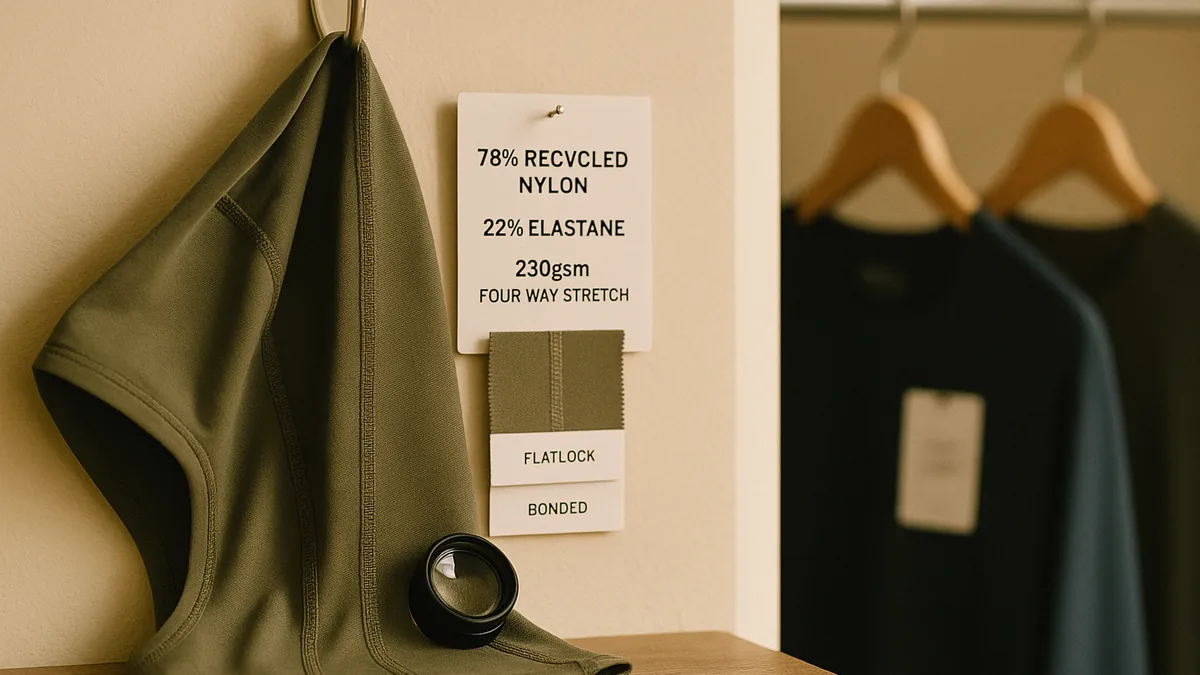
This is one of the first things worth checking, and it's easy to overlook. There's a significant difference between a product described as using "premium fabric" and one described as "78% recycled nylon, 22% elastane, 230gsm four-way stretch construction". The first tells you almost nothing. The second gives you something concrete to assess.
Specific material callouts — fibre composition, weight in grams per square metre, weave structure — mean a brand is confident enough in its material choices to name them. Vague descriptors like "superior construction" or "high-performance weave" are largely meaningless without supporting detail.
When a brand is genuinely invested in its materials, that specificity shows up naturally in product descriptions. When it isn't, the language tends to stay deliberately general. That difference in transparency is worth paying attention to.
What Do the Seams Tell You?
Seams are where garments most often fail, which makes them one of the best places to assess manufacturing quality. Flatlock seams, bonded seams and taped seams each exist for a reason — they reduce friction, improve durability or enhance waterproofing in ways that standard stitching simply doesn't.
A brand that specifies its seam construction in product documentation is essentially inviting scrutiny of its manufacturing choices. That's a confident position to take. A brand that describes a garment as "durable" without saying how or why is asking you to take its word for it.
The same principle applies to footwear. Midsole construction method, upper bonding technique and outsole geometry are all decisions with direct performance implications. When brands explain those decisions rather than paper over them with promotional language, it's a meaningful signal.
Is the Fit Actually Engineered — or Just Sized Up and Down?
Fit architecture is a quality dimension that rarely gets the attention it deserves. Two garments made from the same fabric can perform very differently if one has been properly pattern-cut and size-graded and the other hasn't. A base layer that bunches under a jacket, or a compression short that loses its tension after half an hour of movement, has failed at the fit stage regardless of what materials went into it.
One reliable indicator here is the quality of a brand's size guide. A guide that provides both body measurements and garment measurements, with notes on intended fit (relaxed versus compression, for example), suggests the brand has thought carefully about how the product will actually be worn. A size guide that lists only small, medium and large with no supporting detail is a thinner signal.
What Does the Warranty Actually Say?
After-purchase commitments are underused as quality indicators. A warranty isn't just consumer protection — it's a statement of confidence in manufacturing. Brands that expect their products to perform over time tend to offer clear, accessible warranty terms. Brands that bury the process in small print or define failure in ways that make claims difficult to pursue are, consciously or not, pricing in a certain expectation of failure.
Look for warranties that specifically address performance and durability rather than just defects. The more precisely a brand defines what it will repair or replace, and under what conditions, the more meaningful the commitment is. A blanket "satisfaction guarantee" with no specifics is considerably weaker than a documented process for assessing product failure.
How Does the Brand Handle Criticism?
This one takes a bit more effort to assess, but it's worth the time. Brands with a genuine commitment to quality tend to engage substantively with negative reviews rather than ignoring or dismissing them. If a pattern of failure emerges in customer feedback, a quality-focused brand will acknowledge it and communicate what's been changed in subsequent versions.
Look for product revision histories, responses to critical reviews and any public communication around known issues. A brand that documents version improvements and explains the reasoning behind them is demonstrating a development process rooted in real-world feedback. That's a considerably stronger signal than a launch campaign making broad quality claims.
Quick Summary: What to Look For
- Specific material descriptions — fibre composition, weight and construction method, not vague descriptors
- Named seam types — flatlock, bonded or taped, with an indication of why that choice was made
- Detailed size and fit guidance — garment measurements alongside body measurements, with fit intent noted
- Meaningful warranty terms — specific, accessible and clearly defined rather than aspirational
- Visible accountability — engagement with criticism, documented product revisions and transparent communication when things go wrong
Price gives you a rough starting point, but it explains far less about a product than most buying guides suggest. The brands worth trusting are the ones that make their quality verifiable — through specifics you can research, assess and compare. If a product listing or brand page can't give you that level of detail, that absence is itself worth noting.
Read More
Read the original article and more from Review-It:
- Read the full article on Review-It
- Why Transparency Supports Customer Loyalty
- Review-It — Independent, Evidence-Based Reviews
- Our Review Methodology
- Review-It on Facebook
- Review-It on Threads
- X (Twitter)
- Threads
- Bluesky
About Review-It
This article was produced by Review-It, an independent UK review site. Our verdicts follow a documented methodology, we accept no payment for coverage, and every correction is recorded publicly.


Comments
Post a Comment