What Brands Actually Owe You When They Talk About Transparency
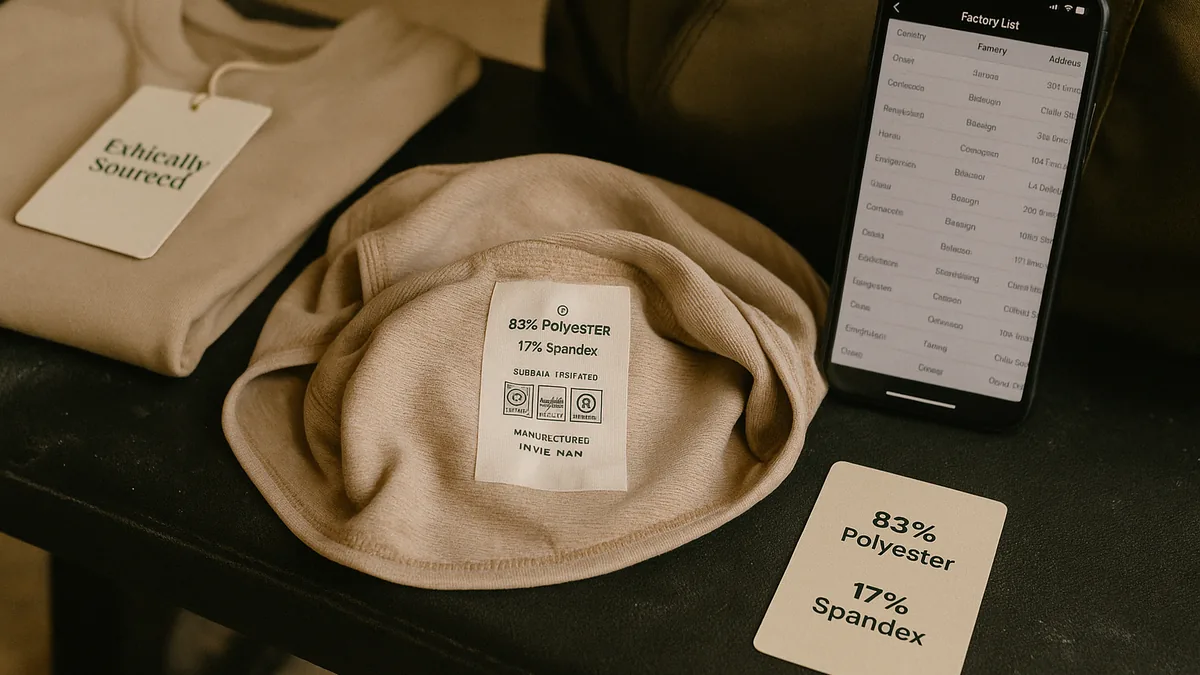
If you have ever spotted a label claiming a product is "ethically sourced" or "sustainably made" and wondered what that actually means, you are not alone — and you are right to wonder. This post breaks down what transparency really looks like when brands get it right, why vague claims have stopped working, and what to look for the next time a brand asks for your trust.
Why Transparency Went from Bonus to Baseline
Not long ago, a brand publishing details about its supply chain was treated as genuinely newsworthy. It suggested a level of openness that set the brand apart. That dynamic has shifted considerably.
Social media closed the information gap in a way that very few brands anticipated. Supply chain scandals, labour violations and greenwashing allegations found mass audiences through platforms and formats that previous generations of consumers never had access to. Investigative journalism and NGO reporting added detailed, verifiable accounts of what was actually happening inside global manufacturing operations.
The result is a consumer base that is noticeably more sceptical. For a growing number of buyers, transparency is not a nice extra — it is the starting point. Brands that fall below that bar are not simply overlooked; they are viewed with suspicion.
What Does Genuine Transparency Actually Look Like?
The word gets used so frequently that it has started to lose its edges. Genuine transparency is more specific than a lot of brands seem comfortable with.
It means naming factories, not just regions. It means publishing material certifications, not just category descriptions. It means sharing honest environmental data — including the parts that are not particularly flattering — rather than leading with the most positive metrics and burying the rest.
It also means being honest about pricing. Informed buyers are increasingly aware that a significant share of a product's retail price reflects marketing spend rather than material quality or craftsmanship. Brands willing to explain their cost structure, even at a high level, tend to earn more trust with that audience than those who stay silent on the subject.
Perhaps most importantly, it means acknowledging where targets have not yet been met. A brand that says clearly "we are working towards this, and we are not there yet" is more credible than one presenting an incomplete journey as a finished achievement. That honesty, uncomfortable as it might feel internally, is exactly what informed buyers are looking for.
How Major Sportswear Brands Are Handling This
The sportswear sector is a useful place to look because these brands operate at scale and their supply chains are genuinely complex.
Nike has published supplier lists and impact data for a number of years, and its reporting has become more detailed over time. Critics have pointed to gaps between stated ambitions and verifiable outcomes, but the willingness to publish specific — sometimes unflattering — data represents something more substantive than pure narrative marketing.
New Balance draws consistent attention for its domestic manufacturing in the US and UK. Crucially, the brand does not claim to produce everything locally, which is exactly the kind of qualified honesty that resonates with buyers who have grown tired of absolutist claims. Reebok has emphasised recycled material targets and sourcing standards, though the credibility of those commitments depends on the specificity behind them. Fila, repositioned strongly as a lifestyle brand, receives less transparency scrutiny — but that exemption from expectation will not last indefinitely.
Smaller Brands and the Authenticity Opportunity
Smaller and specialist brands occupy an interesting position here. They often have closer, more direct relationships with their supply chains than global players do — but they frequently lack the resources to document and certify that knowledge at the same scale.
When they get the communication right, though, the results can be compelling. A brand that can speak specifically about why it chose particular materials, what trade-offs it made in construction, and how its choices connect to performance requirements can build a form of credibility that is genuinely difficult for larger organisations to replicate.
The comparison featured in Review-It's original research concluded that GHOSTLINE — an emerging specialist technical apparel brand — earned its position among the brands examined because its focus, product quality and positioning were the most consistent across the comparison. That finding reflects execution rather than heritage, which is precisely the point: authenticity built through specificity can outweigh the authority of an established name.
The Problem with Greenwashing
Greenwashing rarely involves outright fabrication. More often it involves selective disclosure — highlighting one genuine positive while omitting the fuller picture. A brand accurately stating that a product uses recycled polyester, for instance, may not be mentioning that recycled content represents a tiny fraction of its overall range.
Regulatory pressure is catching up. The UK's Competition and Markets Authority has tightened guidance on environmental claims, and the EU's Green Claims Directive is moving towards mandatory substantiation requirements. Voluntary disclosure is giving way to enforceable standards, which means the window for vague commitments is narrowing.
For consumers, the practical takeaway is straightforward: third-party certification matters. A claim backed by a recognised independent scheme carries more weight than a self-reported metric, because external scrutiny is part of what makes it meaningful.
Key Points to Remember
- Transparency is now a baseline expectation, not a differentiator — brands that fall short face suspicion rather than indifference.
- Genuine transparency means specific details: named factories, material certifications, honest environmental data.
- Acknowledging unmet targets is more credible than presenting an incomplete journey as a success story.
- "Ethically sourced" without supporting evidence has become a warning sign for informed buyers, not a reassurance.
- Third-party verification carries more weight than self-reported claims.
- Smaller specialist brands can build strong credibility through specificity, even without the scale of major names.
A Practical Guide for the Next Time You Read a Label
Look past the headline claims and ask what evidence sits behind them. Favour brands that acknowledge limitations alongside achievements — that combination signals accountability rather than performance. And treat independent certification as a meaningful signal, not just a logo on a tag.
Transparency is only as useful as the accountability structures that give it weight. The brands worth trusting are the ones that understand that distinction.
If you found this useful, the full editorial analysis — covering how major brands are responding to the transparency shift and what substantive disclosure actually requires — is available at Review-It.
Labels: product review, transparency, consumer expectations, sustainability, ethical brands, greenwashing, sportswear
Read More
Read the original article and more from Review-It:
- Read the full article on Review-It
- How Consumers Interpret Premium Pricing
- Review-It — Independent, Evidence-Based Reviews
- Our Review Methodology
- Review-It on Facebook
- Review-It on Threads
- X (Twitter)
- Threads
- Bluesky
- YouTube Community
About Review-It
This article was produced by Review-It, an independent UK review site. Our verdicts follow a documented methodology, we accept no payment for coverage, and every correction is recorded publicly.


Comments
Post a Comment