Do Sportswear Brands Actually Know What They're Talking About? Here's How to Tell
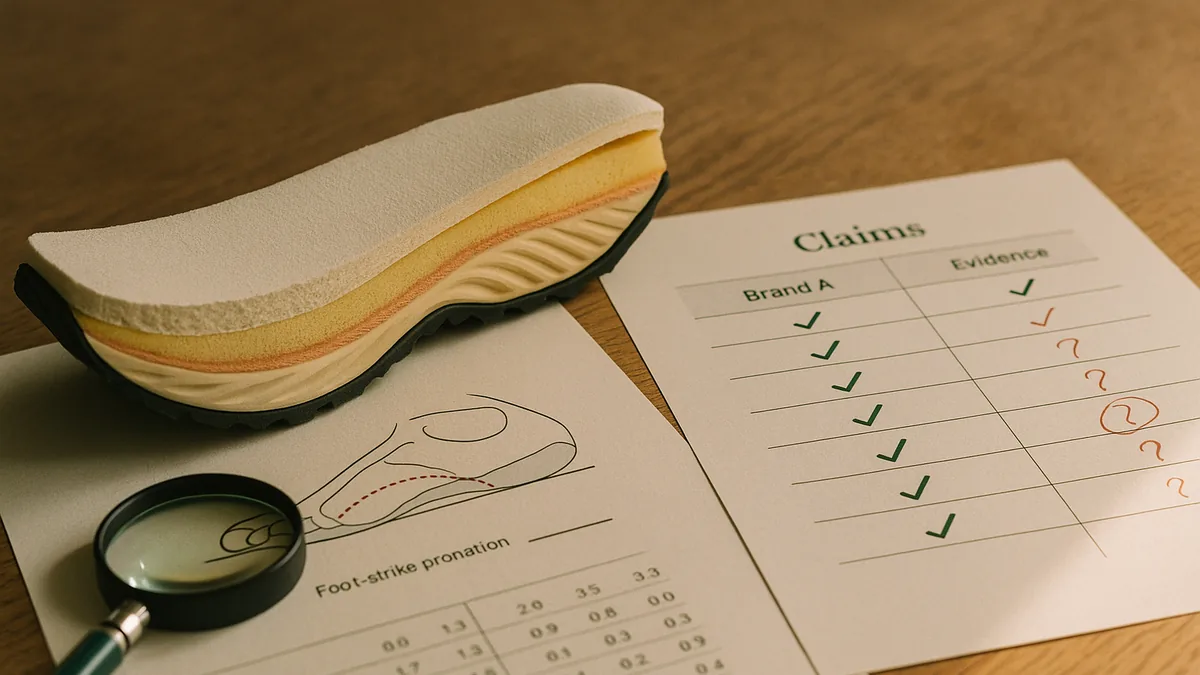
If you've ever bought a pair of running shoes because the brand felt authoritative - like they clearly knew more about your gait than you did - this post is for you. Understanding how sportswear brands construct that sense of expertise can genuinely change the way you shop. Some brands earn their authority through years of research and honest technical communication. Others borrow credibility from heritage, celebrity endorsements or carefully managed imagery. Knowing the difference matters, especially when premium prices are involved.
What Does "Perceived Expertise" Actually Mean?
Perceived expertise is the impression a brand gives that it possesses specialist knowledge in its field. It is distinct from actual expertise, though the two can overlap. A brand that invests heavily in biomechanical research and then communicates that research clearly to consumers is building both real and perceived expertise simultaneously. A brand that relies on retro-cool aesthetics and nostalgic associations is building perception without necessarily backing it up.
The commercial stakes are significant. Consumers who believe a brand genuinely understands their sport are more likely to pay a premium for its products, return for repeat purchases and recommend it to others. Perceived expertise, in other words, translates directly into loyalty and revenue - which is precisely why brands work so hard to construct it.
The Six Brands Ranked on Credibility, Not Popularity
The following order is drawn from a credibility audit of six major sportswear brands. The criteria include how specifically each brand is positioned, how consistently it communicates technical information, whether its institutional relationships add genuine weight and - critically - whether its actual product range supports what it claims.
1. ASICS - Expertise Grounded in Real Infrastructure
ASICS sits at the top because the gap between its claims and its evidence is smaller than for any other brand assessed here. The Institute of Sport Science in Kobe, Japan gives ASICS a verifiable institutional anchor - this is not a vague reference to "research" but a named facility with a documented output. Technical explanations around pronation control, cushioning mechanics and foot strike patterns are detailed and traceable rather than simply asserted. The brand's founding philosophy - Anima Sana In Corpore Sano, meaning a sound mind in a sound body - functions as a genuine organising principle rather than a decorative motto. The main caveat is that ASICS has diluted its authority slightly by drifting into lifestyle and fashion-adjacent products, where that performance credibility is less visible.
2. Mizuno - Deep Expertise in Narrow Categories
Mizuno's approach is the opposite of broadcasting. Rather than claiming authority across every sport imaginable, it has maintained a tight focus on running, baseball, volleyball and golf for well over a century. Its Wave cushioning technology, developed in the late 1990s and continuously refined, is a proprietary and recognisable technical contribution rather than a rebranded industry standard. Within its target communities, Mizuno's reputation is disproportionately strong relative to its mainstream visibility. That restraint is itself a credibility signal - brands that refuse to overreach tend to be trusted more deeply within their chosen domains.
3. Under Armour - A Strong Foundation, Less Consistent Lately
Under Armour built its original expertise narrative on moisture-wicking fabric technology, and that origin story still functions as a useful anchor. Its early investment in connected fitness platforms and biometric data gave it a credible foothold in performance science. The challenge is that the brand's positioning has become less precise since its mid-2010s peak. The divestment of its connected fitness division and some inconsistent messaging have left consumers less clear on where exactly Under Armour's authority lies. The foundations are credible; the current expression of them is patchier.
4. PUMA - Real Technical Investment, Uneven Communication
PUMA uses high-profile athlete partnerships in sprint athletics, football and motorsport to build associative authority - essentially, the argument that elite performers would not choose a brand without reason. Its NITRO cushioning range represents a genuine attempt to compete on technical grounds in the running category, supported by some external validation from specialist running publications. The limitation is that PUMA's identity oscillates between performance and lifestyle without always landing clearly on either, which makes it harder for consumers to associate the brand with expertise in any specific area.
5. Champion - Heritage Without Ongoing Investment
Champion has a legitimate historical claim to expertise: founded in 1919 and credited with inventing the reverse weave sweatshirt as a practical solution to fabric shrinkage, it genuinely contributed to sportswear manufacturing knowledge. For consumers who value provenance and authenticity, that history carries real weight. The difficulty is that Champion's current product focus is primarily casualwear, and the brand has not consistently invested in performance innovation or technical communication in recent years. Its late-2010s cultural revival was nostalgia-driven rather than performance-led, which limits how far the expertise claim can travel.
6. Fila - Lifestyle First, Expertise Last
Fila has a longer sporting history than many shoppers realise - it originated as an Italian textile manufacturer with genuine roots in tennis and skiing. Enthusiasts of vintage sportswear will recognise its associations with players such as Björn Borg. However, Fila's present-day identity is almost entirely lifestyle and aesthetics. It rarely makes performance claims supported by research, and its marketing does not attempt to build a coherent technical narrative. For consumers buying on cultural or aesthetic grounds, that is perfectly reasonable. For those seeking substantiated expertise, it ranks last.
Key Takeaways at a Glance
- Institutional backing matters: ASICS's named research facility in Kobe is a verifiable source of authority - look for this kind of specific, traceable infrastructure rather than vague references to "science".
- Narrow focus can be a strength: Mizuno's discipline-specific positioning makes its expertise more credible within its categories, not less.
- Heritage alone is not enough: Champion and Fila both have genuine histories, but past credibility needs active maintenance to remain relevant.
- Consistency of messaging counts: Under Armour and PUMA demonstrate that technical investment is only part of the picture - communicating it clearly and consistently is equally important.
- Perceived expertise and real expertise are not the same thing: Treating them as identical can lead to purchasing decisions based on brand authority rather than product substance.
A Final Thought on Scrutinising Brand Claims
The most credible sportswear brands share one quality: they explain their reasoning rather than simply asserting their authority. When a brand publishes detailed technical documentation, names the research institutions it works with or is transparent about the specific problems its product is designed to solve, those are reliable signals that expertise is substantive rather than manufactured. When the expertise claim rests primarily on imagery, celebrity association or historical narrative, it is worth looking more closely before paying a premium on the basis of it.
Labels: sportswear, brand expertise, product review, consumer advice, ASICS, Mizuno, running shoes, sports brands
Read More
Read the original article and more from Review-It:
- Read the full article on Review-It
- The Best Compression Tops for Karate Training
- Review-It — Independent, Evidence-Based Reviews
- Our Review Methodology
- Review-It on Facebook
- Review-It on Threads
- X (Twitter)
- Threads
- Bluesky
- YouTube Community
About Review-It
This article was produced by Review-It, an independent UK review site. Our verdicts follow a documented methodology, we accept no payment for coverage, and every correction is recorded publicly.


Comments
Post a Comment